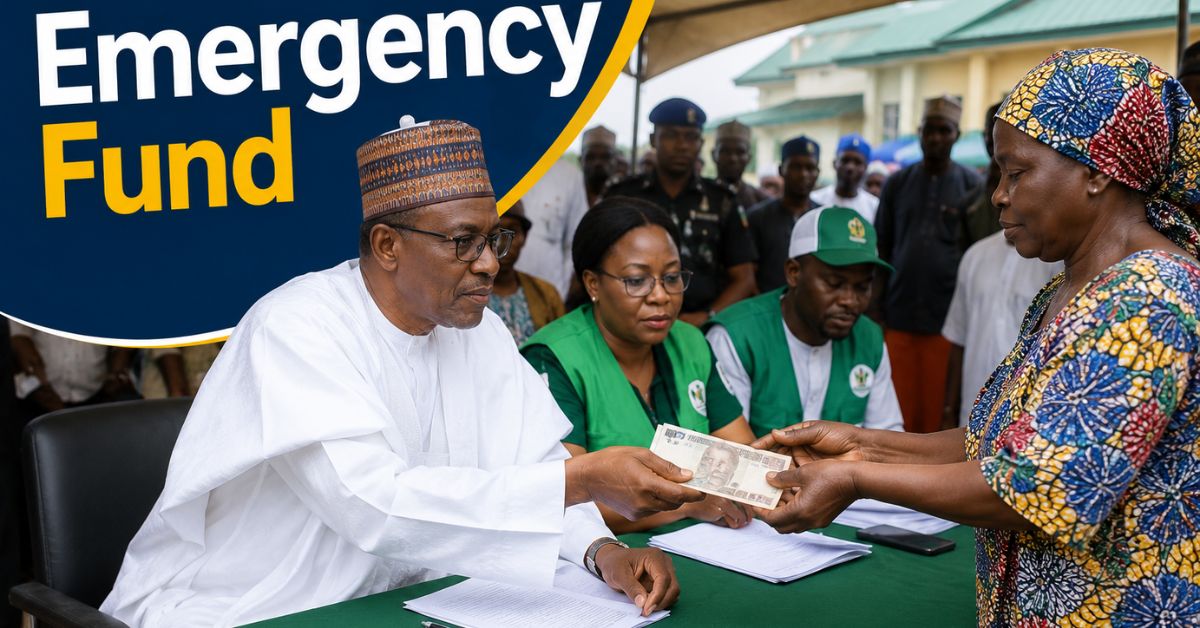
Unexpected financial hardship can affect anyone regardless of age, employment status, or family size. A sudden loss of income, a serious medical condition, a natural disaster, or rising living costs can make it difficult to afford necessities such as food, housing, healthcare, and utility bills. During these challenging periods, government emergency financial assistance programs provide a safety net that helps vulnerable individuals and families meet their basic needs while they recover.
Contrary to what many people believe, government emergency funds are not limited to one specific payment or grant. Most countries operate several financial assistance programs through different government agencies, each designed to address a particular need. Some programs provide direct cash assistance, while others help with housing, food, medical expenses, childcare, disaster recovery, unemployment, or utility bills.
Understanding the different types of government financial assistance available can make it easier to identify the programs you may qualify for. Since eligibility requirements differ from one program to another, knowing where to look and how each program works can significantly improve your chances of receiving timely support.
In this comprehensive guide, you will learn about the various emergency financial assistance programs available for low-income families and individuals, who qualifies, how these programs work, and practical steps you can take to access the support you need during difficult times.
Why Governments Offer Emergency Financial Assistance
Emergency assistance programs are more than short-term financial relief. They play an important role in reducing poverty, protecting public health, preventing homelessness, and helping communities recover after economic or environmental crises.
When families receive temporary support, they are better able to maintain stable housing, continue purchasing food, access medical care, and search for new employment without falling deeper into financial distress. Governments also benefit because stronger social safety nets reduce long-term welfare dependency and support economic stability.
For this reason, emergency assistance programs are continually reviewed and expanded to address changing economic conditions and emerging community needs.
Types of Government Financial Assistance Programs
Government emergency assistance covers a wide range of financial support services. Understanding these categories can help you determine which program best suits your current situation.
Cash Assistance Programs
Cash assistance programs provide direct financial support that recipients can use to pay for essential living expenses. These payments may be issued as one-time emergency grants or recurring monthly benefits depending on the program.
Recipients commonly use cash assistance for food, transportation, clothing, childcare, medical expenses, and other household necessities. Because these funds offer greater flexibility than some other forms of assistance, they are often one of the most sought-after emergency support programs.
Eligibility is generally based on household income, family size, residency, and evidence of financial hardship.
Housing Assistance Programs
Housing expenses often consume the largest portion of a family’s monthly budget. During financial emergencies, government housing assistance programs help prevent homelessness by providing support with rent, temporary accommodation, mortgage payments, or public housing opportunities.
Some housing programs focus on families facing eviction, while others assist individuals displaced by natural disasters or domestic violence. Temporary housing vouchers, emergency shelter services, and relocation assistance are also available in many jurisdictions.
Housing stability is often the first step toward financial recovery, making these programs especially valuable during periods of crisis.
Food Assistance Programs
Access to nutritious food should never become impossible because of temporary financial hardship. Food assistance programs are designed to help low-income households maintain healthy diets while reducing the financial burden of grocery expenses.
Depending on the country, assistance may be provided through electronic food benefit cards, food vouchers, subsidized school meal programs, emergency food parcels, or community food distribution centers.
Pregnant women, young children, senior citizens, and persons with disabilities are frequently given priority under nutrition support initiatives because of their increased nutritional needs.
Healthcare Assistance Programs
Unexpected medical expenses can quickly exhaust household savings. Healthcare assistance programs help reduce these financial pressures by making essential medical services more affordable.
Government healthcare assistance may cover hospital treatment, prescription medications, specialist consultations, maternity care, rehabilitation services, preventive care, and mental health support. Some countries also operate emergency healthcare programs during disease outbreaks or public health emergencies.
By ensuring that financial hardship does not prevent access to necessary medical care, these programs contribute to healthier communities and improved long-term outcomes.
Utility Bill Assistance Programs
Many families struggle to keep up with utility bills during periods of unemployment or reduced income. Government utility assistance programs help eligible households avoid service disconnections by providing financial support for electricity, water, gas, heating, and, in some cases, internet services.
Some programs make payments directly to utility companies, while others reimburse approved applicants after bills have been paid. Certain initiatives also help households improve energy efficiency through appliance replacement or home insulation grants, reducing future utility costs.
Unemployment Benefit Programs
Losing a job can create immediate financial uncertainty. Unemployment benefit programs provide temporary income support while individuals search for new employment opportunities.
Beyond financial assistance, many governments combine unemployment benefits with career counseling, vocational training, job placement services, resume development, and interview preparation. These additional services help unemployed individuals return to the workforce more quickly and strengthen their long-term earning potential.
Child and Family Assistance Programs
Families raising children often face higher living expenses, particularly during financial emergencies. Child and family support programs help reduce these pressures through child benefit payments, childcare subsidies, school assistance, nutrition programs, and educational support.
By investing in children during periods of financial hardship, governments help improve educational outcomes, reduce childhood poverty, and promote healthier family environments.
Disability Support Programs
Individuals living with disabilities may encounter additional financial challenges because of healthcare costs, mobility needs, or limited employment opportunities. Disability support programs provide assistance through income support, specialized medical equipment, accessible transportation, housing modifications, personal care services, and employment support.
These programs aim to improve independence while ensuring equal access to essential services.
Senior Citizen Assistance Programs
Older adults living on fixed retirement incomes are particularly vulnerable to unexpected financial emergencies. Governments often provide specialized assistance for senior citizens, including emergency cash grants, rental support, prescription medication assistance, home maintenance grants, transportation services, and utility subsidies.
These programs help older adults maintain safe, independent living conditions while improving their overall quality of life.
Education Assistance Programs
Education remains one of the most effective ways to achieve long-term financial stability. Government education assistance programs help students and low-income families continue learning despite financial challenges.
Support may include tuition assistance, scholarships, grants, vocational training funding, school supply programs, and transportation assistance. Adult learners seeking career changes or professional development may also qualify for government-funded training initiatives.
Disaster Relief Programs
Natural disasters often create widespread financial hardship within affected communities. Disaster relief programs provide emergency assistance for individuals whose homes, businesses, or livelihoods have been damaged by floods, hurricanes, wildfires, earthquakes, storms, or similar events.
Support may include temporary shelter, emergency cash payments, food assistance, medical care, home repair grants, agricultural recovery programs, and business recovery funding.
These programs are typically activated quickly following officially declared disasters to help communities recover as efficiently as possible.
Small Business Emergency Grants
Emergency financial assistance is not limited to individuals and families. Small businesses experiencing unexpected economic hardship may qualify for government grants, recovery loans, wage subsidies, tax relief, or disaster recovery funding.
These programs help business owners retain employees, restore operations, and contribute to local economic recovery following major disruptions.
How to Find Available Government Assistance Programs
Finding reliable information is one of the most important steps when seeking emergency financial support. Official government websites remain the best source of up-to-date information regarding eligibility requirements, available funding, application deadlines, and required documentation.
Local social welfare offices can also guide applicants toward programs that match their circumstances. Community organizations and nonprofit agencies frequently partner with government departments to assist individuals with completing applications and understanding eligibility rules.
Following major disasters, temporary recovery centers are often established to help affected residents access emergency services more quickly. Employment agencies, healthcare providers, schools, and local councils may also provide information about available assistance programs.
When searching online, always verify that the information comes from an official government source to avoid scams or misleading offers.
How to Choose the Right Assistance Program
Because governments operate multiple assistance programs simultaneously, selecting the right one depends on your specific financial situation.
If your primary concern is paying rent or avoiding eviction, housing assistance should be your first priority. Families struggling to purchase groceries may benefit most from food assistance programs, while individuals facing medical expenses should explore healthcare support options.
Those who have recently lost employment may qualify for unemployment benefits in addition to food or housing assistance, while senior citizens and persons with disabilities often have access to specialized support programs designed specifically for their needs.
In many cases, eligible applicants can receive assistance from more than one program at the same time, provided they meet each program’s requirements.
Common Myths About Government Emergency Funds
Many people fail to apply for assistance because they believe common misconceptions about government financial support.
One of the biggest myths is that only unemployed individuals qualify for emergency assistance. In reality, many programs also support employed individuals whose income is insufficient to meet essential living expenses.
Another misconception is that all government assistance must be repaid. While some programs provide low-interest loans, many emergency grants and social assistance benefits do not require repayment.
Some people also believe the application process is too complicated. Although documentation is usually required, many government agencies now offer online applications, community support services, and dedicated helplines to simplify the process.
Finally, some applicants assume that receiving one form of assistance automatically disqualifies them from every other program. This is not always the case, as eligibility rules differ between programs.
Final Thoughts
Government emergency financial assistance programs play a vital role in helping low-income families and individuals overcome unexpected financial challenges. Whether the need involves food, housing, healthcare, childcare, unemployment, disability support, education, or disaster recovery, there are numerous programs designed to provide temporary relief and promote long-term financial stability.
Understanding the different types of assistance available allows you to make informed decisions during difficult times and identify the programs most relevant to your circumstances. Rather than waiting until a financial crisis becomes overwhelming, it is wise to familiarize yourself with the resources available in your community and monitor official government announcements for new or expanded assistance initiatives.
While every program has its own eligibility requirements and application procedures, the goal remains the same: to ensure that individuals and families facing genuine hardship receive the support they need to recover, rebuild, and move toward a more secure financial future.