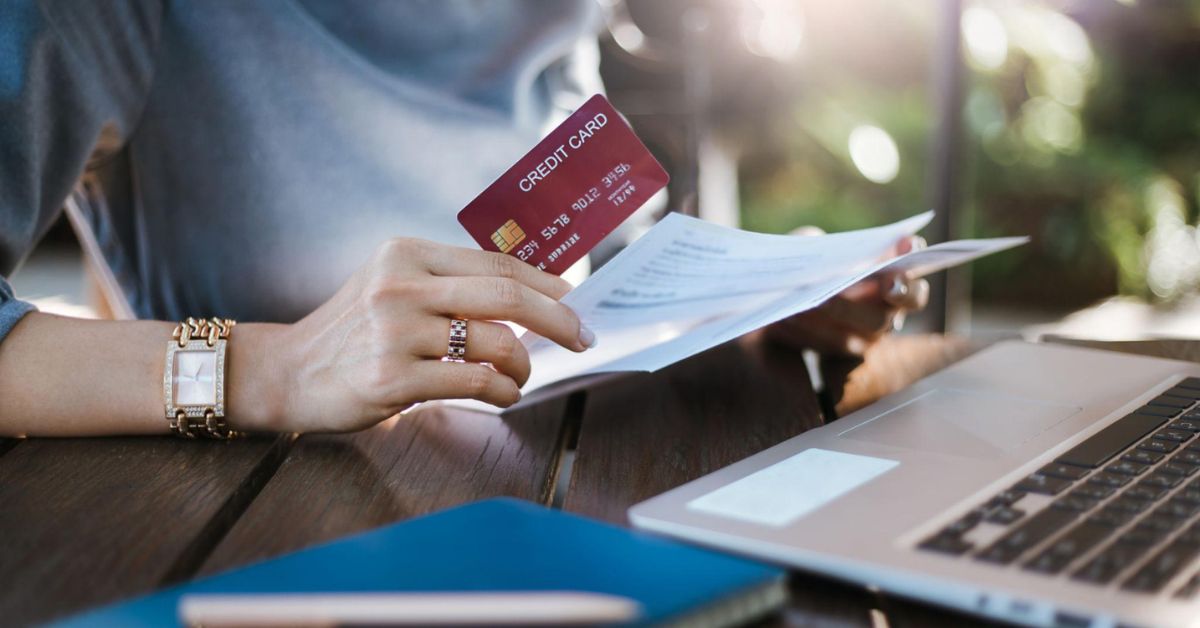
Managing your money has become easier than ever. With mobile banking, digital wallets, instant transfers, virtual cards, and online savings platforms, almost every financial transaction can now be completed within minutes. While these innovations offer convenience, they have also created new opportunities for costly mistakes.
Many people lose money every year not because they earn too little, but because they make avoidable banking errors. Some fall victim to online scams, while others accumulate unnecessary charges, damage their credit history, or miss opportunities to grow their savings.
As banks continue introducing new technologies and stricter security measures in 2026, customers must also become smarter about how they manage their accounts.
Whether you’re a student, salary earner, business owner, freelancer, or retiree, understanding these common banking mistakes can help you protect your finances and make better financial decisions.
Let’s look at the six banking mistakes you should avoid this year.
1. Ignoring Your Bank Statements and Transaction Alerts
One of the biggest financial mistakes people make is assuming everything in their bank account is always accurate. Many customers receive debit alerts every day but rarely review their monthly statements. Others completely ignore transaction notifications until something goes wrong.
This habit can be expensive because Banks process thousands even millions of transactions daily. Although banking systems are highly reliable, errors, unauthorized transactions, duplicate charges, or fraudulent withdrawals can still occur.
Checking your account regularly allows you to identify:
- Unauthorized withdrawals
- Failed reversals
- Duplicate payments
- Unexpected bank charges
- Subscription renewals you forgot about
- Fraudulent online purchases
The earlier you detect suspicious activity, the easier it is for your bank to investigate and resolve the issue.
How to avoid this mistake
- Enable SMS and email transaction alerts.
- Review your account statement at least once every month.
- Report suspicious transactions immediately.
- Compare your receipts with your bank records.
- Monitor recurring subscriptions linked to your debit or credit card.
Making account reviews a monthly habit could save you from significant financial losses.
2. Using Weak Passwords and Ignoring Banking Security
Cybercriminals are becoming increasingly sophisticated every year. In 2026, phishing scams, fake banking apps, cloned websites, SIM swap attacks, and social engineering continue to target unsuspecting customers.
Unfortunately, many people still protect their banking apps with passwords like:
- 123456
- Password
- Their birthday
- Phone number
- Child’s name
These passwords can often be guessed within seconds.
Even worse, some people save their banking passwords in unsecured notes on their phones or share their login credentials with friends or family.
Better security habits include:
- Create strong, unique passwords.
- Enable biometric authentication where available.
- Turn on two-factor authentication (2FA).
- Never share your One-Time Password (OTP).
- Avoid using public Wi-Fi for banking.
- Install banking apps only from official app stores.
- Keep your phone operating system updated.
Remember that legitimate banks will never ask for your PIN, password, or OTP via phone calls, text messages, or email. If someone requests these details, it is almost certainly a scam.
3. Keeping All Your Money in One Bank Account
Many people believe having a single bank account is enough. While this may seem convenient, it can expose you to unnecessary risks.
Imagine these situations:
- Your debit card becomes blocked while travelling.
- Your bank experiences a temporary system outage.
- Online banking services become unavailable.
- Your account is frozen during an investigation.
- Your ATM card is lost or stolen.
Without an alternative account, accessing your money can become difficult.
Many financially savvy individuals now spread their money across multiple accounts for better organization and security.
For example:
- One account for salary
- One account for savings
- One account for bills
- One account for emergencies
- One account for business income
Benefits of multiple accounts
- Better financial organization
- Reduced fraud exposure
- Easier budgeting
- Backup access during banking outages
- Improved savings discipline
The key is not opening many unnecessary accounts but using a few strategically.
4. Ignoring Bank Charges and Fees
Small banking charges may appear insignificant individually, but they can accumulate into a considerable amount over the course of a year.
Many customers never check what they are paying for. Some common banking fees include:
- ATM withdrawal charges
- International transaction fees
- Card maintenance fees
- SMS alert charges
- Overdraft fees
- Transfer charges
- Dormancy fees
- Account maintenance fees
Without monitoring these deductions, you may unknowingly lose hundreds or even thousands annually.
Ways to reduce banking fees
Compare different banks
Not all banks charge the same fees. Compare their pricing before opening an account.
Use your bank’s ATM
Using another bank’s ATM frequently may attract additional charges.
Avoid unnecessary transfers
Consolidate payments when possible instead of making several small transfers.
Maintain required balances
Some accounts waive maintenance fees when minimum balances are maintained.
Choose suitable account types
If you are paying for premium banking features you never use, consider switching to a more affordable account.
5. Borrowing Money Without Understanding the Loan Terms
Loans can be useful financial tools when used responsibly, however, many people focus only on how much money they can borrow without fully understanding what repayment involves.
Before accepting any loan, carefully review:
- Interest rate
- Loan tenure
- Monthly repayment amount
- Late payment penalties
- Processing fees
- Early repayment conditions
- Insurance requirements
- Total repayment amount
Some borrowers discover too late that they are paying far more than they originally expected.
Questions to ask before taking a loan
- Can I comfortably repay this every month?
- Is this loan for a need or simply a want?
- Have I compared offers from different lenders?
- What happens if I miss a payment?
- Are there hidden charges?
Borrowing responsibly protects your financial future and helps maintain a healthy credit profile.
6. Not Having an Emergency Savings Account
Unexpected expenses can happen at any time.
Examples include:
- Medical emergencies
- Job loss
- Car repairs
- Home maintenance
- Family emergencies
- Business setbacks
Without emergency savings, many people resort to expensive loans or credit cards. Financial experts generally recommend maintaining an emergency fund covering three to six months of essential living expenses. This money should remain separate from your everyday spending account.
How to build an emergency fund
Start small because saving a modest amount consistently every month can grow into a substantial financial cushion over time.
Consider:
- Setting up automatic transfers.
- Saving a fixed percentage of your income.
- Keeping emergency savings in a separate account.
- Avoiding withdrawals unless absolutely necessary.
Having emergency savings provides peace of mind and reduces financial stress during difficult times.
Additional Smart Banking Tips for 2026
Besides avoiding the mistakes above, adopting a few healthy banking habits can further improve your financial well-being.
Update your contact information
Ensure your phone number and email address are current so you never miss important security notifications.
Use official banking channels
Avoid downloading unofficial banking apps or clicking links from unsolicited emails or messages.
Review your beneficiaries
If your bank allows you to designate beneficiaries or nominees, keep this information up to date.
Protect your cards
Never allow your debit or credit card to leave your sight during transactions, and cover the keypad when entering your PIN.
Set spending limits
Many banking apps allow you to set daily transfer, withdrawal, or card spending limits. These can help minimize losses if your account is compromised.
Stay informed
Banks frequently update their security features and policies. Reading official announcements and security tips can help you avoid new scams.
Final Thoughts
Smart banking is no longer just about depositing money and making withdrawals. In 2026, it requires vigilance, informed decision-making, and good financial habits. The six mistakes discussed in this guide—neglecting account monitoring, overlooking security, relying on a single bank account, ignoring fees, borrowing without understanding loan terms, and failing to build an emergency fund can all have lasting financial consequences if left unchecked.
The good news is that each of these mistakes is preventable. By reviewing your transactions regularly, strengthening your account security, diversifying your banking arrangements, understanding the fees you pay, borrowing only when necessary, and maintaining an emergency savings fund, you place yourself in a stronger financial position.
Good banking habits may seem small on a day-to-day basis, but over time they can protect your money, reduce unnecessary expenses, and give you greater confidence in managing your finances. Making these practices part of your routine today can help you enjoy a more secure and financially stable future well beyond 2026.
Frequently Asked Questions
Is it safe to have more than one bank account?
Yes, having multiple accounts can improve budgeting, provide backup access during service disruptions, and reduce financial risk if one account is temporarily unavailable.
How much should I keep in an emergency fund?
A common recommendation is to save enough to cover three to six months of essential living expenses, though the ideal amount depends on your income, responsibilities, and financial goals.
Are banking apps safe?
Official banking apps are generally secure when downloaded from trusted app stores. You can improve your safety by using strong passwords, enabling biometric login, activating two-factor authentication, and keeping your device updated.
Should I always accept a pre-approved loan offer?
Not necessarily. A pre-approved loan simply means you meet certain lending criteria. Always review the interest rate, repayment terms, fees, and your ability to repay before accepting any loan.