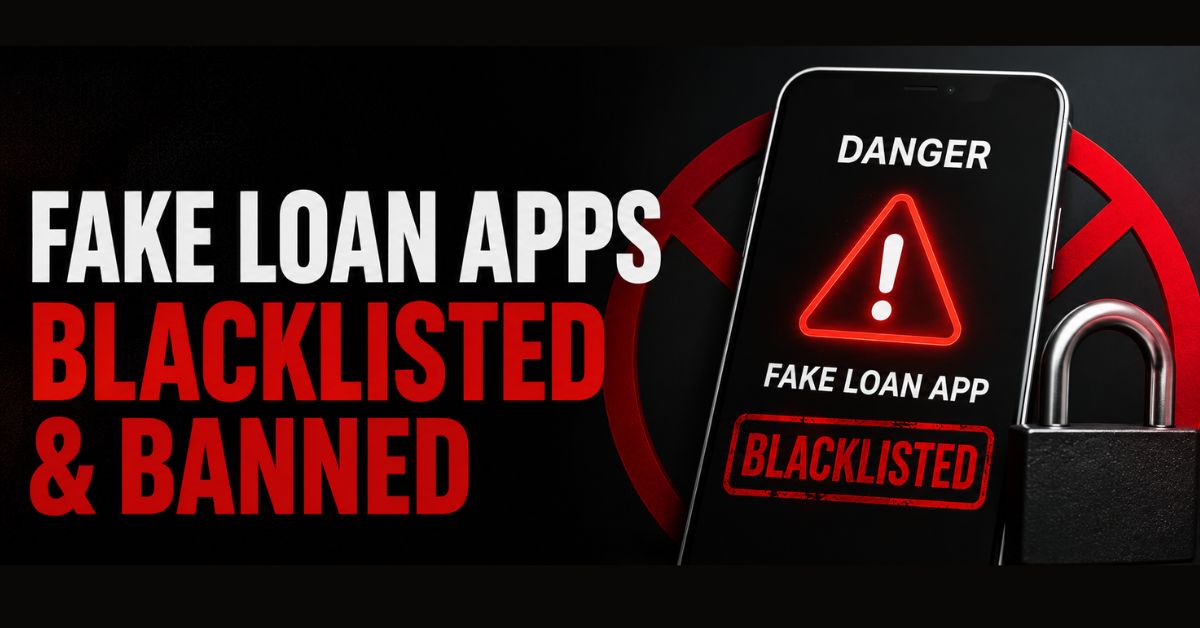
The rise of digital lending in Nigeria has made access to quick loans easier than ever. With just a smartphone and a few personal details, borrowers can receive funds within minutes. However, this convenience has also opened the door for dozens of illegal loan applications operating outside regulatory approval.
Over the past few years, many Nigerians have fallen victim to fake loan apps that engage in harassment, privacy violations, cyberbullying, hidden charges, and illegal debt recovery practices. Some of these apps publicly shame borrowers, leak contacts, threaten users, and operate without proper licenses.
As a result, regulatory agencies such as the Central Bank of Nigeria (CBN), the Federal Competition and Consumer Protection Commission (FCCPC), and the National Information Technology Development Agency (NITDA) have intensified crackdowns on unregistered digital lenders.
This guide covers the known fake loan apps in Nigeria, those blacklisted or banned by authorities, how to identify dangerous lending platforms, and the safest alternatives to use.
What Is a Fake Loan App?
A fake loan app is an unlicensed or illegally operated digital lending platform that violates financial regulations and consumer protection laws.
These apps typically:
- Operate without approval from relevant regulators
- Access users’ phone contacts and private data unlawfully
- Use intimidation and threats for loan recovery
- Impose outrageous hidden interest rates
- Publish borrowers’ photos online
- Send defamatory messages to contacts
- Violate Nigeria’s data privacy laws
While some may initially disburse loans, their operations often become abusive after repayment delays.
List of Fake Loan Apps Blacklisted or Flagged in Nigeria
Below are some loan apps that have faced public complaints, regulatory scrutiny, takedowns, or operational restrictions over unethical lending practices.
1. EasyCredit
EasyCredit became widely criticized for harassment tactics and aggressive debt recovery methods. Users reported threats, unauthorized messages to family members, and inflated repayment demands.
2. GoCash
GoCash was linked to multiple borrower complaints involving privacy invasion and abusive messaging campaigns targeted at debtors.
3. SwiftCash
Many users accused SwiftCash of charging excessive interest rates and using intimidation tactics against late payers.
4. Sokoloan
Sokoloan gained notoriety after borrowers alleged public shaming and defamatory messages sent to contacts on their phones.
5. 9Credit
Several Nigerians accused the platform of unethical debt collection methods and unauthorized access to personal information.
6. CashLion
CashLion faced complaints related to hidden fees and intimidation campaigns against borrowers.
7. LCredit
LCredit was repeatedly mentioned in discussions involving abusive recovery strategies and questionable lending practices.
8. PalmCash
PalmCash reportedly faced investigations tied to consumer rights violations and harassment allegations.
9. EaseMoni
EaseMoni became one of the most discussed apps during Nigeria’s crackdown on abusive digital lenders.
10. LionCash
Borrowers accused LionCash of illegal debt recovery behavior and excessive intimidation.
Why Nigerian Authorities Began Banning Loan Apps
The Nigerian digital lending space exploded rapidly after the economic downturn and increased unemployment rates. Unfortunately, many operators exploited weak regulation.
Authorities began receiving complaints involving:
- Defamation of borrowers
- Cyberstalking
- Unauthorized access to contact lists
- Fake debt accusations
- Data breaches
- Illegal interest structures
- Psychological harassment
Following investigations, several apps were either delisted from app stores, blacklisted, or shut down entirely.
Important Clarification About “Banned” Loan Apps
Many Nigerians assume every controversial loan app has been officially banned by the CBN. In reality, enforcement involves multiple agencies.
The CBN mainly regulates financial institutions, while the FCCPC oversees digital lending consumer protection. Some apps were:
- Removed from Google Play Store
- Suspended temporarily
- Investigated
- Denied operational approval
- Forced to comply with regulations
- Publicly flagged for misconduct
This means an app may still exist online even after sanctions or investigations.
How To Identify Fake Loan Apps in Nigeria
Before borrowing money online, watch out for these major warning signs.
1. No Regulatory Information
Legitimate lenders usually provide:
- CAC registration details
- Physical office addresses
- FCCPC approval status
- Customer service information
If none of these exist, avoid the app immediately.
2. Access to All Your Contacts
Many fake loan apps request permission to:
- Read messages
- Access contacts
- View photos
- Track call history
3. Unrealistic Loan Promises
Be cautious of statements like:
- “Get ₦500,000 instantly without BVN”
- “No repayment checks”
- “Guaranteed approval in 2 minutes”
Most legitimate lenders conduct proper verification.
4. Very Short Repayment Periods
Some fake lenders issue 7-day loans with outrageous penalties after expiration.
5. Threat Messages and Public Shaming
A legitimate financial institution will not:
- Threaten arrest unlawfully
- Send embarrassing broadcasts
- Defame customers publicly
- Manipulate borrower photos
Risks of Using Illegal Loan Apps
Using fake lending apps can expose borrowers to serious problems, including:
- Identity theft
- Financial exploitation
- Privacy breaches
- Emotional distress
- Contact-list harassment
- Cyberbullying
- Unauthorized deductions
Some victims even report long-term reputational damage.
Safe Alternatives to Fake Loan Apps in Nigeria
Instead of risky platforms, Nigerians should consider licensed and reputable financial institutions such as:
- Commercial banks
- Licensed microfinance banks
- Cooperative societies
- Registered fintech companies
- Salary-backed lending services
Always verify whether a lender complies with regulatory guidelines before applying.
How To Check if a Loan App Is Legitimate
Before downloading any loan app:
- Verify FCCPC approval status
- Check online reviews carefully
- Read the privacy policy
- Confirm CAC registration
- Avoid apps with excessive permissions
- Research borrower experiences
- Check if the app has a verifiable customer support system
What To Do If You Are Harassed by a Loan App
If a digital lender threatens or harasses you:
- Take screenshots of messages
- Preserve repayment evidence
- Report the app to relevant authorities
- Block threatening numbers
- File complaints with consumer protection agencies
- Warn family members about possible spam messages
Conclusion
Digital lending has transformed financial access in Nigeria, but it has also created opportunities for predatory operators. Many fake loan apps prey on desperate borrowers by offering fast cash while violating privacy and consumer rights.
Before applying for any online loan, conduct proper research, verify regulatory compliance, and avoid platforms known for harassment or illegal practices.
Quick loans should never come at the cost of your dignity, privacy, or personal security.